Toyota Car Key Replacement: What You Are Actually Dealing With
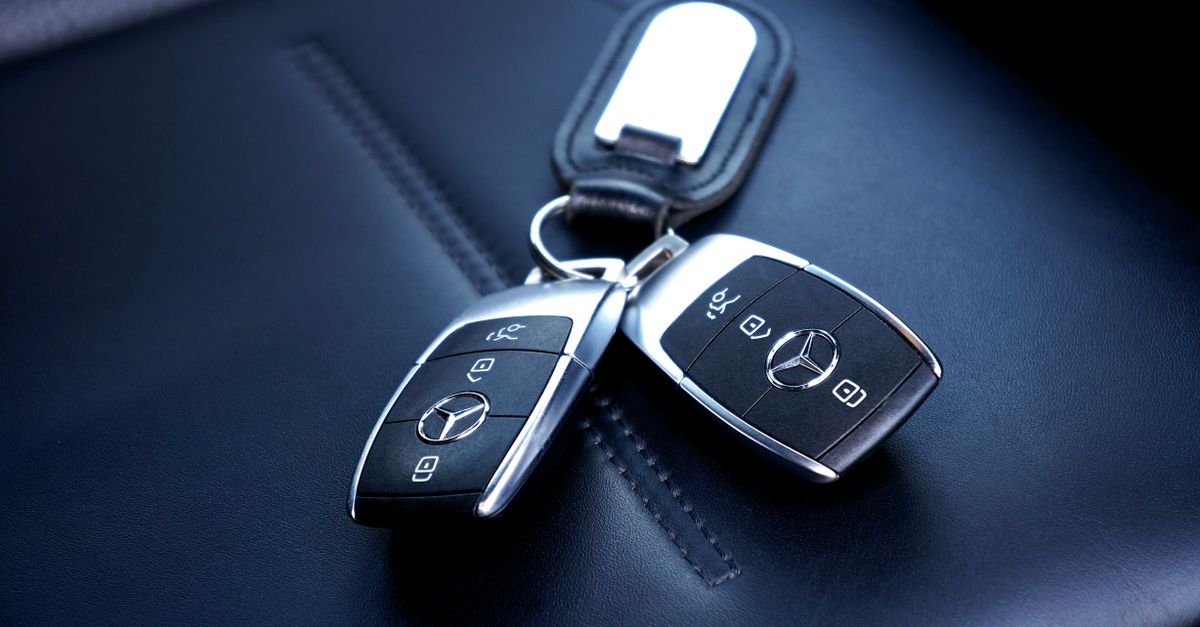
Toyota has used several generations of key technology over the past two decades, and the replacement process is different for each one. Older models may use a basic transponder key — a metal-cut key with a small chip embedded in the plastic head that communicates with the vehicle's immobilizer system. If that chip is not recognized, the engine will not start even if the key physically turns in the ignition. Mid-range Toyota models typically use a key fob combined with a separate emergency blade, while newer vehicles like the Camry XSE, Highlander, and the Toyota 4Runner use a proximity smart key system where the vehicle detects the fob in your pocket and allows push-button start. Each of these requires a different programming procedure, and attempting to use an unprogrammed blank — even a correctly cut one — will leave you stranded.
Smart keys and proximity fobs cannot simply be cloned at a hardware kiosk. They require direct communication with the vehicle's onboard computer using specialized diagnostic equipment. That is exactly what our mobile technicians bring to your location. We verify ownership documentation before any work begins — this is a firm part of our process, not an afterthought — and then we cut the key to your vehicle's specific billet code and program it to the immobilizer or smart entry system on the spot. The result is a fully functional key that works exactly as the factory key did, without any modifications to your vehicle.