Why Ignition Cylinders Fail — and What It Means for Your Vehicle
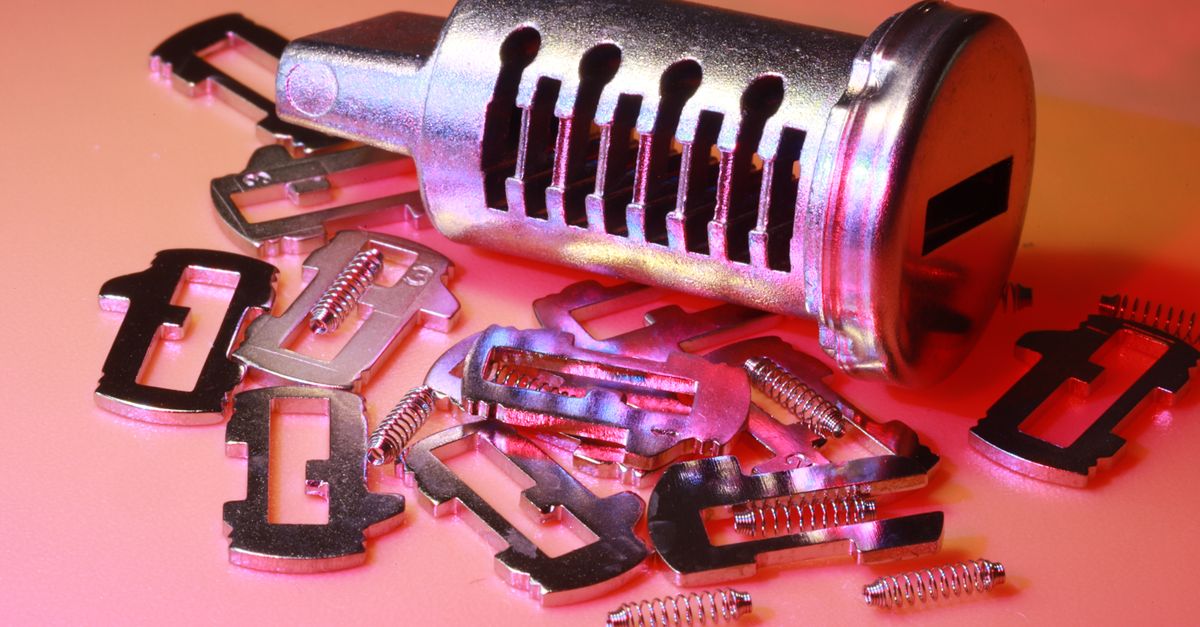
The ignition cylinder is a precision mechanical lock that is used dozens of times every day, often under conditions that accelerate wear: dusty commutes on the 101, key rings overloaded with fobs and loyalty cards that lever the cylinder while the engine vibrates, and the occasional aggressive jiggle when the steering column locks. Over time, the internal wafers that read your key's cuts become worn or misaligned. The result is a cylinder that accepts the key but requires unusual force to turn, sticks at the off position, or intermittently refuses to release the key after the engine is off. Left unaddressed, a worn cylinder can progress from an inconvenience to a no-start situation without warning.
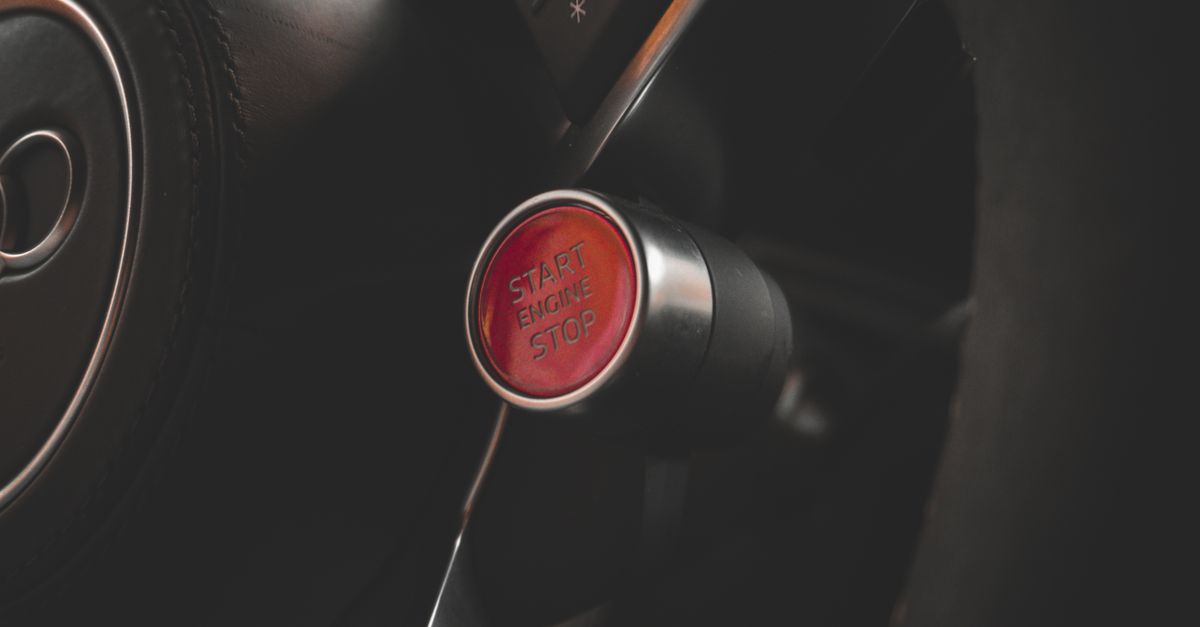
Ignition switches — the electrical component that sits directly behind the cylinder — fail for a different set of reasons. Heat cycling inside a Los Angeles dashboard, where interior temperatures can climb well past 130 degrees on a summer afternoon, degrades connector contacts and plastic housings over years of use. A failing switch may cause the vehicle to start but immediately stall, drain the battery when the car sits, or produce intermittent loss of accessories like power windows and the radio. Because these symptoms overlap with other electrical faults, accurate diagnosis matters. Our technicians assess both the mechanical and electrical sides of the ignition before recommending a repair path.