Why Keys Snap Inside Locks and Ignitions
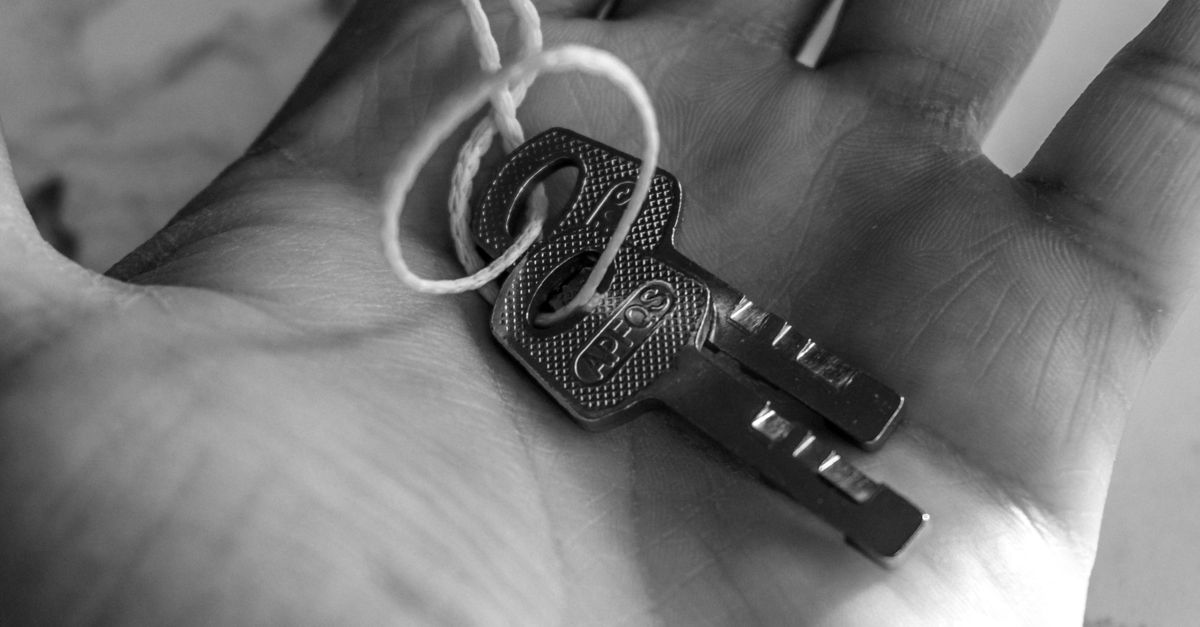
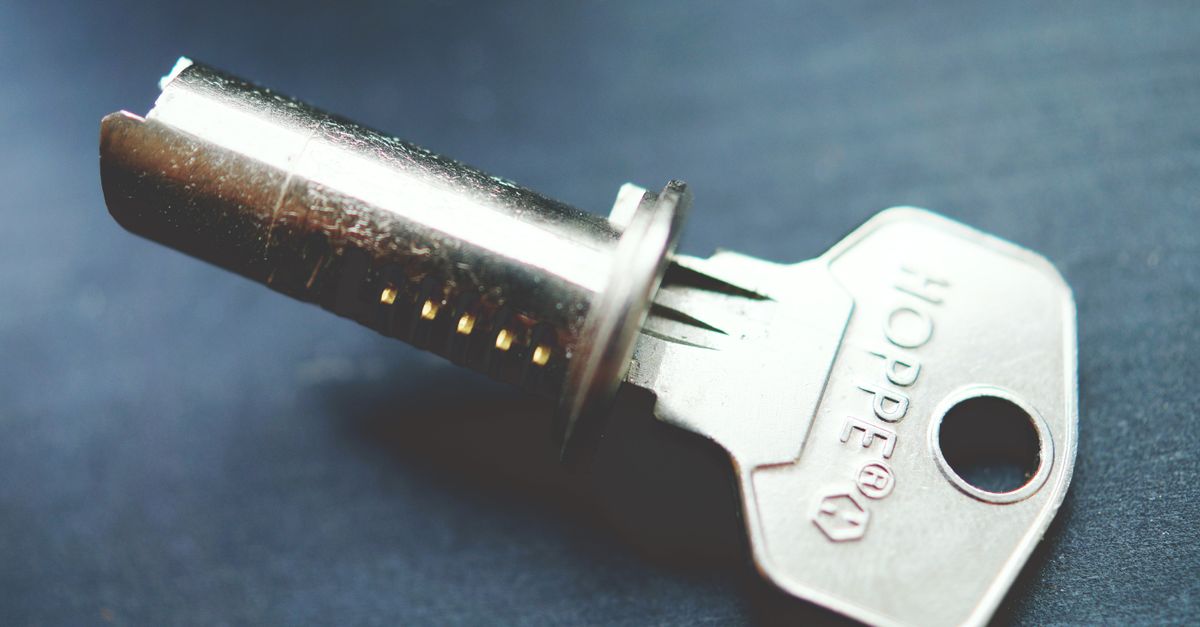
Keys break for several compounding reasons, and understanding them helps you avoid a repeat situation. Metal fatigue is the leading cause — a key that has been used daily for several years develops microscopic stress fractures along its blade, particularly at the bow-to-blade junction. When that key meets a stiff cylinder, a frozen lock mechanism, or an ignition that has worn tumblers, the torque applied by a frustrated hand is often enough to snap it clean. Cold weather accelerates the process, and while Los Angeles winters are mild compared to the rest of the country, overnight temperatures in the hills above Woodland Hills and Calabasas can still stiffen lock lubricant enough to add meaningful resistance. Duplicate keys cut from already-worn originals are especially vulnerable because the tolerances are already compromised before the first turn.
Mortise lock systems — commonly found in older craftsman bungalows throughout the Valley and in commercial buildings along Victory Boulevard — present a particular challenge because the keyway is recessed deep inside a pocket within the door edge. The added depth means a broken fragment can travel further into the cylinder before coming to rest, making it harder to grip and extract without professional tools. Automotive ignitions present a different but equally frustrating problem: the ignition cylinder is surrounded by the steering column housing, access is tight, and the wrong approach can damage the anti-theft wafer stack, triggering additional electrical issues in modern vehicles.